 Every day, veterinarians across the country see hundreds of cases of laminitis, a painful disease that affects the feet of horses. Laminitis results from the disruption of blood flow to the sensitive and insensitive laminae within the foot, which secure the coffin bone to the hoof wall. While the exact mechanisms by which the feet are damaged remain a mystery, certain precipitating events can produce laminitis. Although laminitis occurs in the feet, the underlying cause is often a disturbance elsewhere in the horse’s body.
As a horse owner, it is important to recognize the signs of laminitis and seek veterinary help immediately. Signs of acute laminitis include:
- Lameness, especially when a horse is turning in circles; shifting lameness when standing
- Heat in the feet
- Increased digital pulse in the feet
- Pain in the toe region when pressure is applied with hoof testers
- Reluctant or hesitant gait, as if “walking on eggshells”
- A “sawhorse stance,” with the front feet stretched out in front to alleviate pressure on the toes and the hind feet “camped out” or positioned farther back than normal to bear more weight
Signs of chronic laminitis may include:
- Rings in hoof wall that become wider as they are followed from toe to heel
- Bruised soles or “stone bruises”
- Widened white line, commonly called “seedy toe,” with the occurrence of blood pockets and/or abscesses
- Dropped soles or flat feet
- Thick, “cresty” neck
- Dished hooves, which are the result of unequal rates of hoof growth
If you suspect laminitis, consider it a medical emergency and notify your veterinarian immediately. The sooner treatment begins, the better the chance for recovery. For information about laminitis, ask your equine veterinarian.
Additional information can also be found on the AAEP’s website www.aaep.org/.
Reprinted with permission from the American Association of Equine Practitioners.
 Advances in nutrition, management, and health care are helping, horses are living longer, more useful lives. It’s not uncommon to find horses and ponies living well into their 20s and 30s. While genetics play a role in determining life span, you too can have an impact.
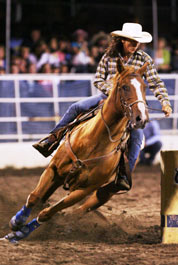 Follow these guidelines to develop a total management plan for your older horse:
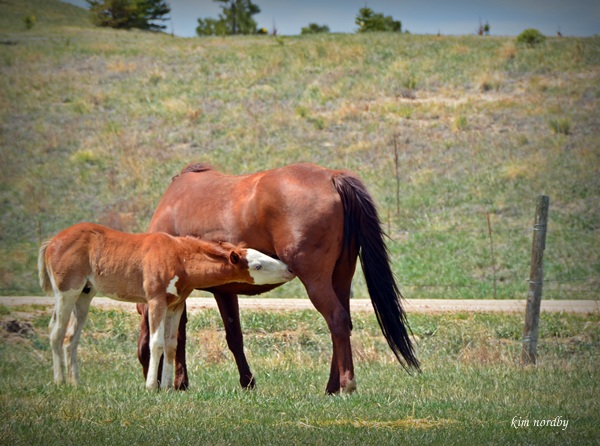
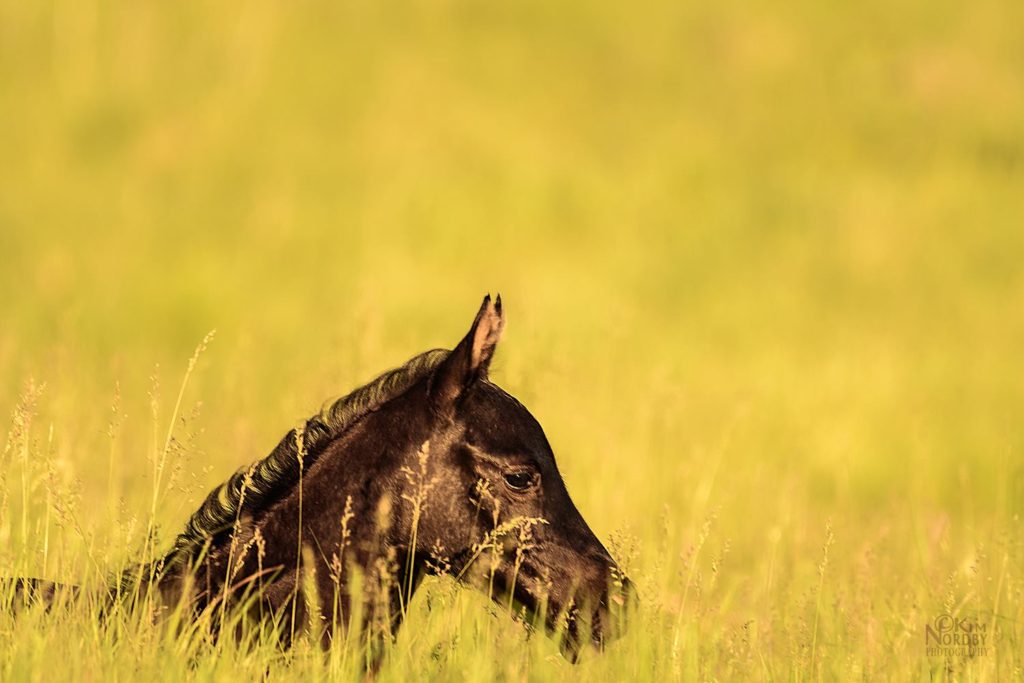 A healthy foal will grow rapidly, gaining in height, weight, and strength almost before your eyes. From birth to age two, a young horse can achieve 90 percent or more of its full adult size, sometimes putting on as many as three pounds per day. Feeding young horses is a balancing act, as the nutritional start a foal gets can have a profound effect on its health and soundness for the rest of its life.
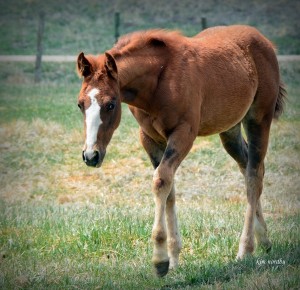 Provide high-quality roughage (hay and pasture) free choice.
 While horses seem predisposed to colic due to the anatomy and function of their digestive tracts, management can play a key role in prevention. Although not every case is avoidable, the following guidelines from the American Association of Equine Practitioners (AAEP) can maximize the horse’s health and reduce the risk of colic: